How to Read a 3 Card Tarot Spread
By the Sussa team · October 21, 2026 · 5 min read

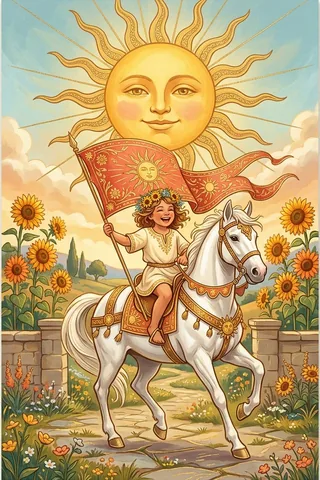
The three card spread is the layout most people learn first, and plenty of experienced readers never stop using it. Three cards are enough to show a little story and few enough that you can keep the whole thing in your head.
Decide what each position means before you shuffle
The positions are what turn three random cards into an answer. Pick the layout first, then draw. These four cover almost everything:
- Past, present, future. A general check-in, or "how did I end up here".
- Situation, challenge, advice. The best one when you're stuck on a decision or a problem.
- You, them, the connection. For any relationship, not just romance.
- Mind, body, spirit. Handy when you aren't sure what you're really asking.
Read the whole story, then the cards
Before you read a single card, look at all three. Is the mood heavy or light? Lots of swords means thinking and conflict, lots of cups means feelings. Do the figures face each other or turn away? That quick scan gives you the tone before you get into details.
Then go card by card and treat the position as a question. A card in the challenge position isn't bad, it's just the thing in the way. The Five of Swords there points at a conflict where winning might cost more than it's worth.
A worked example
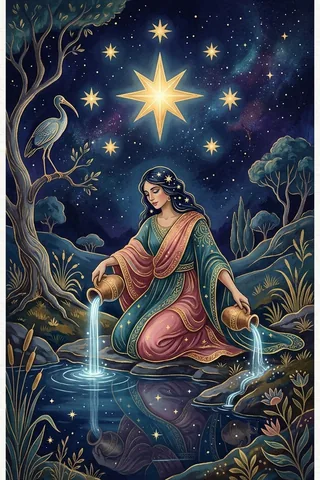
Say you're asking about a job change. You draw The Fool for the situation, the Seven of Pentacles for the challenge and The Star for the advice.
Read it as one sentence: you're at the start of something new, the hard part is the patience that growth takes, and the advice is to keep your hope steady instead of rushing. That's a reading. It isn't a prediction, and it's more useful for it.
Pulled three cards from your own deck? Enter them by name and see what each position means.
Open the reading helperMistakes that make a reading worse
- Asking a yes or no question and expecting a verdict. Three cards describe a situation far better than they answer "will I". If you want yes or no, read how to read tarot for yes or no questions.
- Reading every card alone and never saying how they fit together.
- Drawing again until you like the answer. Take the first draw and ask what it's showing you.
- Treating reversed cards as automatically bad. See how to read reversed cards.
Tip: Write the reading down in one sentence per card. If you can't, you haven't understood it yet. Come back a week later and see which parts turned out to matter.
Take it with you
Sussa is a free app with a daily horoscope built from where the planets really are, all 78 tarot cards, your birth chart, and a written reading for the cards you pick.
Get Sussa on Google Play